
The fire burns quietly as Hosea steps into the circle. His story is not introduced through power or victory but through love that remains faithful when everything else has been broken. In Fireside Tales of the Prophets of Hope, Hosea stands as a living picture of God’s covenant love. His life was not simply a message he preached—it became the message itself.
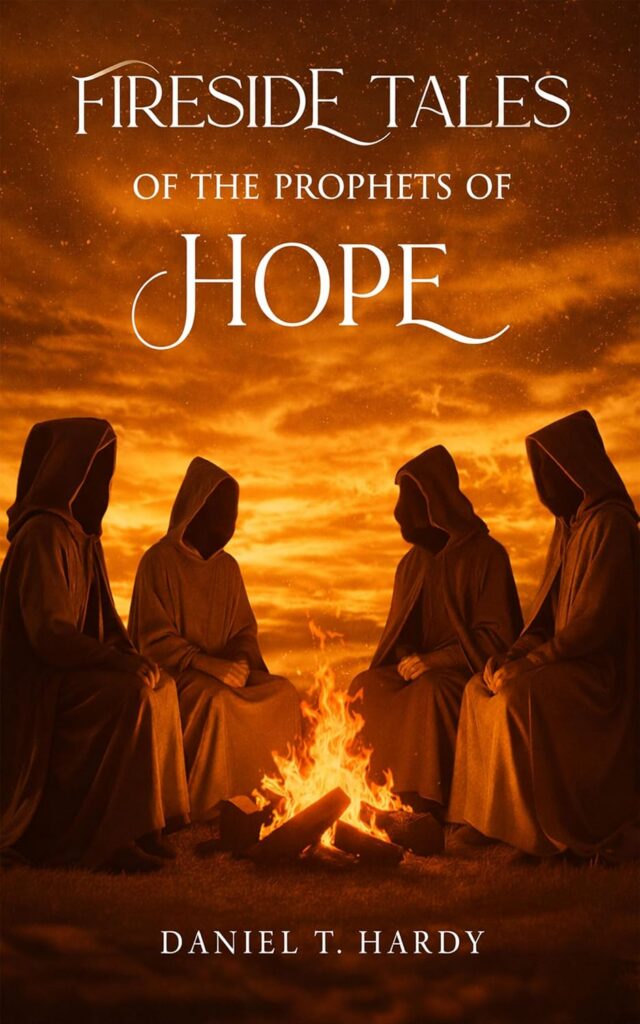
The book presents Hosea as a prophet whose personal journey reflected the relationship between the Lord and His people. Through sorrow, mercy, and restoration, his story reminds readers that God’s covenant is held together by His own faithfulness. Even when His people wandered, His love continued to pursue them.
A Prophet Who Lived the Message
The Lord called Hosea to do something unlike any other prophet. His marriage became a living illustration of God’s relationship with Israel. While the nation enjoyed prosperity, its heart had turned away. Idols replaced faithfulness, and the covenant was treated lightly.
Rather than simply announcing judgment, Hosea lived through the pain of betrayal. His home reflected the sorrow of God’s own heart. Every moment of heartbreak pointed beyond itself to the greater truth that the Lord continued to love His covenant people despite their unfaithfulness.
The book gently reminds readers that this was never merely a story about marriage. It was always a story about covenant.
God’s Covenant Love Never Lets Go
One of the strongest themes throughout the chapter is the steadfast love of God. The author explains that God’s covenant love is not temporary or dependent upon human faithfulness. It remains because God Himself remains faithful.
Even after repeated rebellion, the Lord continued to call His people:
- Return to Me.
- Remember My covenant. ● Receive My mercy.
The invitation comes with tenderness rather than distance. The Lord disciplines His people, yet His desire is always restoration. Throughout Hosea, the message continues to move from brokenness toward hope.
The book describes this covenant love as stronger than failure and greater than shame. It is the kind of love that pursues instead of abandoning, restores instead of forgetting, and welcomes instead of rejecting.
Redemption Comes Through Grace
One of the most moving moments in Hosea is the prophet’s obedience to redeem Gomer. Rather than walking away, he paid the price to bring her home again.
The book presents this act as a living picture of redemption.
The prophet’s willingness to redeem reflects God’s own heart toward His people. Divine love is shown through sacrifice, mercy, and grace. Redemption is not earned by worthiness but given because of God’s faithful love.
The chapter continually points readers toward the greater fulfillment found in Jesus Christ. Just as Hosea redeemed Gomer, Christ accomplished the greater redemption through His sacrifice. Throughout the book, this connection remains rooted in the biblical message of covenant hope without losing sight of Hosea’s original setting.
Hope After Failure
The fireside story never ignores the reality of sin. Israel’s unfaithfulness is described honestly, yet judgment is never presented as the final word.
Instead, the story continually returns to hope.
The Lord promises healing.
The Lord promises restoration.
The Lord promises renewed covenant fellowship.
This pattern becomes one of the central lessons of Hosea. God’s love reaches beyond failure because His covenant rests upon His own faithfulness. Even after seasons of wandering, there remains an invitation to return.
The author reminds readers that hope is born not because people become faithful first, but because God never stops being faithful.
A Message That Still Speaks
The fireside reflection brings Hosea’s story close to the reader. The ancient prophet is no longer simply a figure from history. His message becomes an invitation to examine one’s own heart.
The book reflects on how people still chase things that cannot satisfy while forgetting the One who first loved them. Yet God’s voice continues to call His people back with compassion and grace.
The lesson is both gentle and clear. Covenant love is not fragile. It survives betrayal, restores brokenness, and continues to invite people home.
The closing reflection leaves readers with lasting hope. No heart is beyond God’s grace. No failure places someone beyond His mercy. His covenant love continues because He remains faithful.
As the fire burns low, Hosea leaves behind more than a story. He leaves a testimony of redemption, covenant faithfulness, and the grace of God that continues to restore what has been broken. That enduring hope remains the heart of the prophet’s message and the steady light that continues to burn throughout Fireside Tales of the Prophets of Hope. (Visit Our Website)