
The fire burns brighter tonight. Around it sit weary builders surrounded by stone, dust, and unfinished work. Their hands have grown tired, and their hope has become quiet. Into this moment steps Haggai, a prophet whose words were not spoken to condemn but to awaken. In Fireside Tales of the Prophets of Hope, his message comes as an invitation to return to God’s work with renewed faith and renewed purpose.
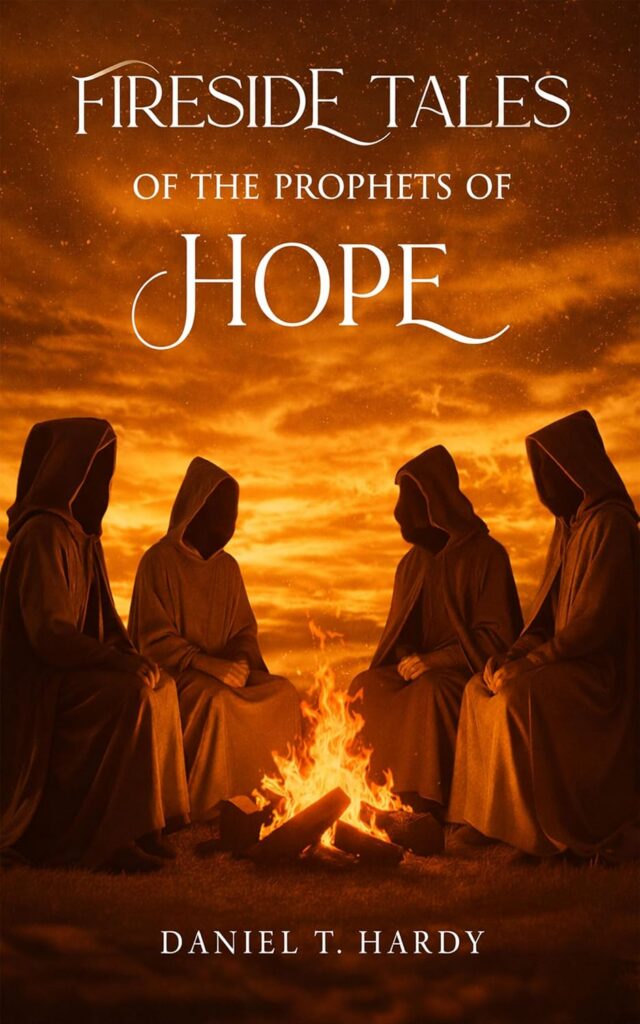
The story of Haggai unfolds after God’s people returned from exile. They had begun rebuilding the temple but allowed discouragement, delay, and personal concerns to take its place. Through the prophet, the Lord called His people to remember what mattered most. His message was simple, clear, and filled with hope: rebuild the house of the Lord first.
A Call in the Midst of the Ruins
The book introduces Haggai as the prophet who stirred the builders. Jerusalem was no longer the city it had once been. The people had returned home, but the temple still stood unfinished. What had begun with joy slowly became delayed as attention shifted elsewhere.
The Lord spoke through Haggai with a question that reached beyond the broken stones and unfinished walls. He called His people to consider their ways and to examine where their hearts had settled.
The message was never simply about a building. It was about giving the Lord His rightful place once again.
The prophet’s words invited the people to look beyond discouragement and remember the purpose for which they had returned.
“Consider Your Ways”
One phrase echoes throughout the chapter more than any other:
“Consider your ways.”
This invitation is spoken with patience rather than anger. The people were encouraged to pause, reflect, and recognize that they had become occupied with their own concerns while the house of the Lord remained unfinished.
The book presents this as a call to renewed obedience rather than criticism. God’s desire was not merely to complete a structure but to restore the hearts of His covenant people.
For Haggai, rebuilding began with renewed faithfulness.
God’s Presence Gives Courage
One of the most comforting parts of Haggai is the promise that follows obedience. As the people responded to God’s call, the Lord answered them with words of assurance:
“I am with you.”
The book presents these words as the true source of strength. The builders did not move forward because the work became easy. They moved forward because God’s presence remained with them.
Throughout the chapter, the reader is reminded that hope grows wherever the Lord is present. His people were not asked to rebuild alone. They were strengthened by His faithful promise.
The fire becomes a picture of that steady presence—warm, constant, and never fading.
Greater Glory Still to Come
Many of the builders remembered the former temple and felt discouraged by what stood before them. The new work appeared small compared to what had once been.
Yet Haggai directed their attention away from comparison and toward God’s promise.
The Lord declared that the future glory of His house would be greater than the former. The people were encouraged to continue their work with confidence because God’s purposes were still unfolding.
The book gently teaches that faith does not depend upon outward appearance. Hope rests upon the promises of the Lord, who fills His work with His own presence.
Small beginnings never limit what God intends to accomplish.
Building for What Lasts
The fireside reflection brings Haggai’s message into the life of every believer. The chapter explains that the prophet’s call continues wherever God’s people are invited to place Him first.
The lesson reaches beyond ancient Jerusalem. It speaks about giving first place to the Lord, serving Him faithfully, and trusting Him even when progress seems slow.
Some of the enduring reminders include:
- Consider your ways before moving forward.
- Place the Lord’s work before personal comfort.
- Remember that God is present with His people.
- Trust His promise even during small beginnings.
- Build for what lasts rather than what quickly fades.
These reflections remain faithful to the gentle spirit that fills the entire book.
The Fire Still Burns
As the evening draws to a close, the builders are no longer defined by delay but by renewed purpose. The fire continues to burn beside unfinished walls, reminding everyone gathered that God’s work moves forward through faithful obedience.
Haggai leaves readers with confidence rather than fear. The Lord who called His people to rebuild also promised to remain with them. His presence became their strength, His promise became their hope, and His faithfulness became the foundation upon which they continued their work.
The message of Haggai still speaks with quiet assurance. When God’s people place His house first, they discover that He has never abandoned His purpose. His presence remains, His promises endure, and the work begun in faith becomes part of His greater story of hope and restoration. (Visit Our Website)